
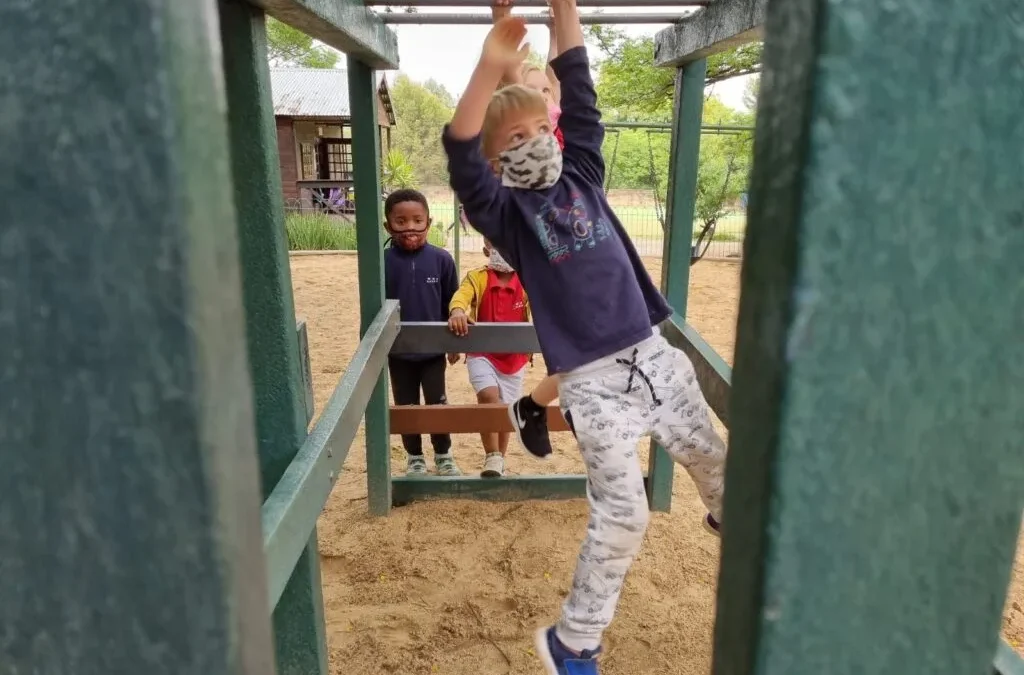
At Maria Montessori House, education is not just about imparting knowledge; it’s about nurturing the whole child – academically, socially, emotionally and physically. The Montessori approach, established by Dr. Maria Montessori over a century ago, remains timeless in its application across different age groups, from infants to adolescents. At Maria Montessori House, this approach is skilfully adapted to meet the developmental needs of children at every stage, cultivating a lifelong love of learning. Let’s break down how we adapt our approach based on the age of our learners.
0-3 Years: Nurturing Curiosity and Independence
In the first few years of life, children are like sponges, absorbing everything in their environment. Our focus for this age group is on nurturing curiosity, independence and basic motor skills. The environment is carefully prepared to allow infants and toddlers to explore freely and safely, with materials that promote sensory development, coordination and language acquisition.
The classrooms are designed to be homelike, warm and inviting, creating a sense of security. Low shelves filled with simple, age-appropriate toys and materials are easily accessible, encouraging the children to make their own choices. This independence builds self-confidence and lays the foundation for future learning.
3-6 Years: Building a Strong Foundation
As children enter the 3–6-year phase, they are in what Dr Maria Montessori called the “absorbent mind” stage. During this period, they develop a stronger sense of order, language and social skills. At Maria Montessori House, the classroom environment becomes more structured, with materials that cater to their increasing cognitive abilities.
Children engage in practical life activities like pouring, sweeping and buttoning, which not only develop fine motor skills but also instil a sense of responsibility and independence. We introduce early mathematics, language, science and cultural studies through hands-on materials that make abstract concepts concrete. The multi- age classroom allows younger children to learn from older peers, while older children reinforce their knowledge by teaching others.
The Primary Years: A Seamless Transition to CAPS
As learners transition into our Primary School, our pedagogy shifts to align with the South African CAPS curriculum. At this stage, children are ready to engage with more complex concepts and we adapt our approach to foster deeper intellectual
development while maintaining the nurturing, child-centred spirit of Maria Montessori House.
Structured, Grade-Specific Learning
In accordance with the primary school structure, learners work within single-grade classrooms rather than vertical groupings. This transition allows for focused, age-specific instruction in:
● Language Arts
● Mathematics
● Life Skills
● Social Sciences
To ensure a robust academic foundation, we skillfully integrate Montessori-inspired hands-on materials. These tools serve as a vital bridge, helping learners move from concrete, tactile experiences to the abstract requirements of the CAPS curriculum.
Cultivating Excellence and Responsibility
As children approach adolescence, their need for independence and social engagement intensifies. Our CAPS-based curriculum evolves to meet these needs by focusing on academic excellence and social responsibility.
● Learners are encouraged to engage in independent research and collaborative projects, promoting abstract thinking in subjects such as Literature, Natural Sciences, and History.
● While following the structured grade levels of the primary phase, we continue to prioritise a sense of community. Learners are encouraged to take on leadership roles and participate in community service.
This holistic approach ensures that our learners are not only prepared for the rigors of high school but are also equipped with the empathy and critical thinking skills required for global citizenship.
Why Choose Maria Montessori House?
Maria Montessori House’s age-adaptive approach ensures that each child receives an education tailored to their developmental stage. This personalised learning experience promotes self-discipline, a love for learning and respect for others, laying the groundwork for success in all areas of life. By focusing on the needs of the whole child, Maria Montessori House offers an environment where every learner can thrive, at their own pace, in their own unique way.
If you’re looking for a school that understands the importance of age-appropriate pedagogical approaches, we invite you to book a visit and discover how we can help your child flourish in a caring, inclusive environment.
Register now and give your child the gift of a Montessori education that embraces diversity and nurtures individuality.